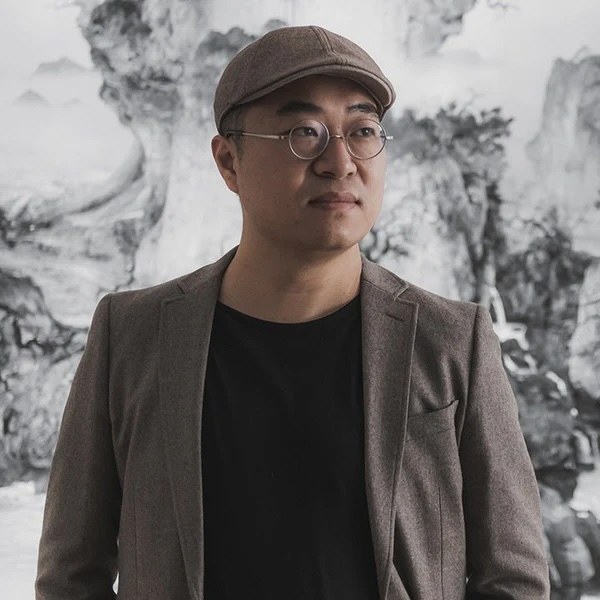
Yang Yongliang(楊泳梁)

Yang Yongliang(楊泳梁)
Q1. 新しい映像作品を制作する際、映像と音の関係は通常どのように始まりますか。映像が形になる前から、すでにある種の音や雰囲気を思い描いているのでしょうか。 When creating a new video work, how does the relationship between image and sound usually begin? Before the image takes shape, do you already have a certain sound or atmosphere in mind?
率直に言えば、私は視覚芸術家なので創作は映像から始まります。音のイメージはありますが、その限界を自覚しているため、共同制作者の可能性を狭めたくありません。私の作品は都市風景をもとに制作され、音は映像の延長として感覚体験を補強する存在です。そのため、作曲家には私が受けた感覚を再現しつつ、それぞれの美意識や主観も加えていただきたいと考えています。 Frankly speaking, as a visual artist my practice is mostly driven by the images. I would have a sense of the soundscape, but I'm also fully aware of my limits. While making a video artwork, I wouldn't want to impose my limited imagination on my composers. My work is rooted in documentary photography of urban landscapes, which I develop in digital collages to dramatize what urbanization makes one feel. I see sound as an extension of the image—one that reinforces this experience and creates a coherent connection between the images and the sounds. As a result, I usually ask my composers to respond to the emotional and perceptual experience while bringing their own aesthetic preference and subjective interpretation.
Q2. ある特定の音が創作の核となり、逆に映像の構成に影響を与えることはありますか。つまり、音が視覚作品の出発点になる可能性はあるのでしょうか。 Can a certain sound become the inner core of a work and in turn influence the organization of the image? In other words, can sound become the starting point of visual creation?
理論的には可能ですが、実際には非常に稀です。2010年前後、上海万博前の再開発では街全体が視覚だけでなく音響空間にもなっていました。私は都市を撮影すると同時に環境音も録音し、それらを作品に取り入れました。 It is possible by theories, but it rarely happens in practice. One example I recall dates back to the early 2010s, when my hometown Shanghai went through rapid development while preparing for the World Expo. Construction and demolition became ubiquitous, creating not only a striking visual landscape but also a distinctive acoustic environment. During that time, I photographed the city extensively, documenting everything from close-up views of demolition sites to distant panoramas of concrete skylines. At the same time, I recorded the surrounding sounds and incorporated these documentary audio tracks into my work.
Q3. 制作中、自然環境音以外では普段どのような音楽を聴いていますか。また、そのような聴覚的記憶は芸術家としての感性や美意識に影響を与えると思いますか。 What kind of music do you usually listen to in the studio besides ambient sounds? Do you think these auditory memories influence an artist's temperament or aesthetic?
制作中に聴く音楽は幅広く、ベートーヴェンから久石譲、G.E.M.、Taylor Swiftまで聴いています。 I listen to a wide range of music while working. From Beethoven to Joe Hisaishi, and from G.E.M to Taylor Swift.
Q4. あなたの作品では都市と自然の複雑な関係が描かれています。音は作品にとってどのような存在ですか。 Your works often present the complex relationship between the city and nature. What role does sound play in your practice?
映像作品にとってサウンドスケープは不可欠ですが、写真作品には音は必要ありません。 For video works, the soundscape is indispensable. For photo prints, sound is unnecessary.
Q5. 日本の侘び寂び、中国山水画の『無声勝有声』という美意識を踏まえ、静けさや潜在的な音の感覚は作品の中でどのように作用していますか。 In relation to Japanese wabi-sabi and the Chinese idea of 'sound beyond sound,' how do silence, time and the latent sense of sound function in your work?
この問いへの答えは観客に委ねたいと思います。私が直接コントロールできるのは映像であり、音は連想の領域です。完成版の音楽も数ある可能性の一つに過ぎません。 I prefer to leave the answer to this question to my audience rather than giving just one interpretation. As a visual artist, what I can control is the images. Sound belongs to the realm of association. Even in video works with a composed soundtrack, I regard the music in the final edit as one possibility rather than a definitive counterpart.
Q6. 中国古典芸術における聴覚文化や伝統的な美意識について、現代作家としてどのように捉えていますか。 How do you view the auditory traditions and aesthetic foundations of classical Chinese art as a contemporary artist?
私は美術と音楽には共通する鑑賞原理があると考えています。中国絵画では『気韻生動』が技巧以上に重要視されます。同様の美意識はアジアの伝統音楽にも存在すると考えています。 I believe the ways we experience art and music share fundamental principles. In traditional Chinese landscapes, for example, the concept of Spiritual Resonance is valued much more than any technical virtuosity. I believe a comparable criterion exists in traditional Asian music as well. The aesthetic foundations of art and music should be aligned, and they differ in important ways from those shaped by the Western classical tradition.

蜜成学株式会社は、楊泳梁氏をはじめとする世界各地のアーティストとの交流を通じ、新たな表現の可能性を探求しています。

現在、映像作品における音響・サウンドデザイン分野での協業について意見交換を重ね、将来的な共同プロジェクトの実現を目指しています。

軽井沢ニューアートミュージアム「Neo China Pulse」展にて楊氏の作品が展示されております。ご来場のうえ、ご高覧、ご指導賜りますようお願い申し上げます。

Neo China Pulse フライヤー(表) Neo China Pulse フライヤー(裏)
← Artist Collaboration に戻る ← Back to Artist Collaboration